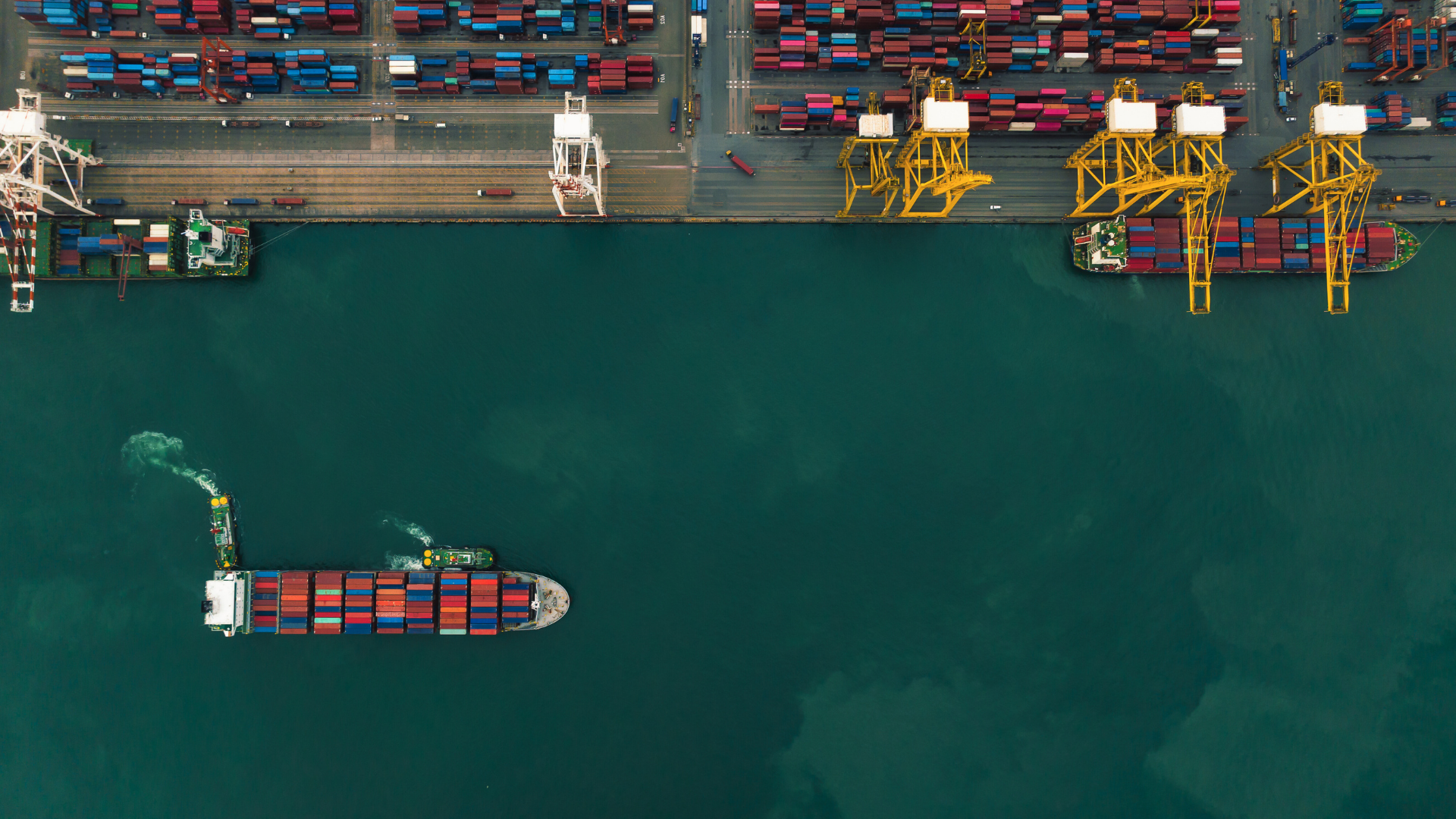
The Environmental Weight of Global Mobility
International transport is the backbone of the global economy. Goods move daily across oceans, skies and borders, connecting markets and enabling industrial growth. Yet this constant mobility comes at an environmental cost. Maritime shipping, air freight, road transport and rail logistics all contribute to greenhouse gas emissions, air pollution and energy consumption. As global trade volumes increase, the environmental footprint of transport infrastructure has become impossible to ignore. The challenge is no longer whether transport impacts the planet, but how significantly and how sustainably it can evolve.
Shipping, Aviation and Road Freight Under Pressure
Among international transport modes, maritime shipping remains one of the most carbon-efficient per tonne-kilometre, yet its absolute emissions are substantial due to the sheer scale of global trade. Aviation, while essential for high-value and time-sensitive goods, carries a disproportionately high carbon intensity. Road freight, particularly long-haul trucking powered by diesel, continues to represent a major source of emissions in cross-border logistics. Governments, regulators and industries are therefore increasing pressure on these sectors to decarbonise, introducing stricter environmental standards and encouraging technological innovation.
The Shift Toward Lower-Emission Solutions
In response, the transport sector is undergoing a gradual transformation. Investments in alternative fuels such as biofuels, LNG, sustainable aviation fuels and, increasingly, electrification are reshaping logistics strategies. Digital optimisation tools are also helping reduce empty runs, improve route efficiency and lower overall fuel consumption. While these developments signal progress, the transition remains complex. Infrastructure readiness, energy availability and cost structures vary significantly across regions, meaning that greener transport solutions are advancing at different speeds worldwide.
Sustainability Beyond the Vehicle
Becoming “greener” is not solely a matter of switching fuels or technologies. It also requires systemic coordination across supply chains. Companies must evaluate transport choices within a broader sustainability framework, considering route planning, multimodal strategies and responsible partnerships. Transparency, data tracking and regulatory compliance play a crucial role in measuring real impact rather than relying on surface-level claims. As international logistics continues to evolve, the key question is not whether transport can eliminate its environmental footprint entirely, but how effectively it can reduce it while sustaining global economic connectivity.