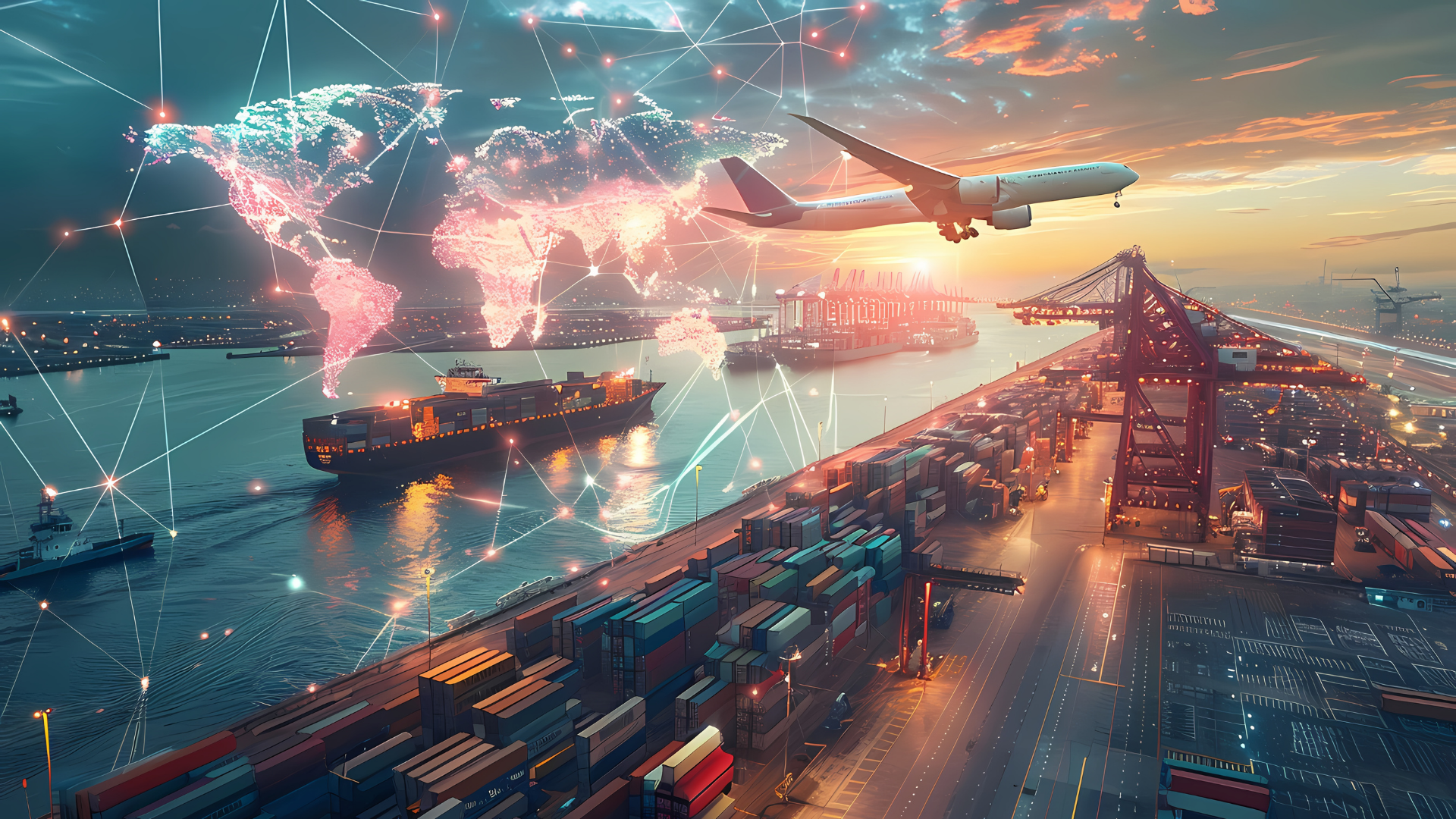
A Sector Under Increasing Climate Pressure
Global shipping plays a crucial role in international trade, moving around 80–90% of goods worldwide. However, this essential industry also carries a significant environmental footprint. Maritime transport is responsible for roughly 3% of global CO₂ emissions, a figure comparable to the emissions of major industrialised countries. As highlighted in reporting by BBC News, reducing emissions from shipping has become a key challenge for global climate policy. With trade volumes continuing to grow, the sector faces increasing pressure from governments, regulators and environmental organisations to significantly reduce its environmental impact.
New Regulations Driving Change
International institutions and regional authorities have begun introducing stricter environmental standards for maritime transport. One important step is the creation of emission control areas, which require ships to use fuels with significantly lower sulphur content. According to reporting by Reuters, the Mediterranean has recently been designated as a Sulphur Emission Control Area, a measure expected to reduce air pollution generated by ships and improve air quality in coastal regions. These regulations mark an important shift in how maritime emissions are managed, signalling that the shipping sector can no longer operate outside broader climate strategies.
Technological Innovation at Sea
Alongside regulatory pressure, the shipping industry is exploring new technologies to reduce emissions. Alternative fuels such as green methanol, ammonia and advanced biofuels are increasingly being tested as potential replacements for traditional heavy fuel oil. Some companies are also investing in hybrid propulsion systems and energy-efficient ship designs. As reported by The Guardian, the transition toward low-carbon fuels represents one of the most promising but also most complex paths for decarbonising maritime transport, since it requires major investments in both vessels and port infrastructure.
A Long Transition Ahead
Despite these developments, fully decarbonising global shipping remains a complex and long-term challenge. Ships have long operational lifespans, infrastructure changes take time, and global coordination is required to ensure consistent standards across international waters. Nevertheless, the growing focus on cleaner fuels, stricter environmental regulations and technological innovation suggests that the industry is gradually moving toward a more sustainable model. The transformation of maritime transport will likely be gradual, but it represents an essential step in the broader global effort to reduce emissions and mitigate climate change.